
Football is more than just a sport—it’s a living culture filled with rituals, respect, and unwritten codes that have been passed down through generations of players and fans. While the rulebook covers offsides, fouls, and penalties, there exists an entire set of unspoken agreements that define the beautiful game’s true spirit. These traditions, though never officially documented, shape how matches are played and how opponents treat each other. Let me share some fascinating insights into football’s hidden rulebook that every passionate fan should understand.
The Art of Fair Play Traditions
Kicking the Ball Out for Injured Players
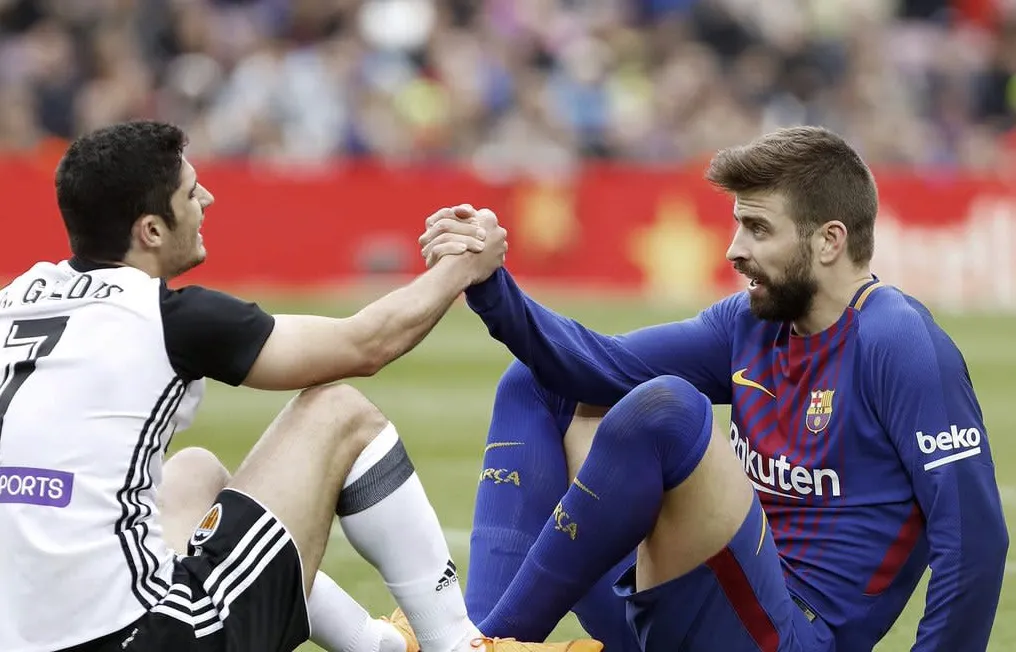
One of football’s most respected unwritten rules involves stopping play when a player goes down injured. If you watch any professional match, you’ll notice that when an opponent is hurt, the team in possession typically kicks the ball out of play voluntarily. This gesture of sportsmanship allows medical staff to attend to the injured player without delay. However, there’s an important nuance here—when play resumes, the team that stopped the action returns possession to the opposition through a throw-in or goal kick. It’s a beautiful cycle of mutual respect that honours the game’s integrity.
According to former Premier League referee Mark Stevenson, “This tradition dates back decades and reflects football‘s deep-rooted sense of honour. When teams abuse this code, you can feel the tension rise instantly among players and fans alike.”
The Goal Celebration Respect Protocol
When a player scores against their former club, you’ll rarely see an exuberant celebration. This unwritten rule acknowledges the years of service, relationships built, and memories shared with the previous team. Some players refuse to celebrate entirely, while others simply raise a hand in acknowledgment before returning to the halfway line. It’s a subtle but powerful gesture that shows respect for the club that helped shape their career. Think about it—how would you feel seeing a former hero wildly celebrating against your team?
Strategic Unwritten Rules in Modern Football
The 10-Goal Rule in Youth Football
In youth and grassroots football, there exists a sensitive unwritten code regarding massive scorelines. When a team leads by five or more goals, the winning side is expected to ease off the accelerator. This isn’t about lacking ambition—it’s about protecting young players from psychological damage and maintaining dignity in defeat. Professional academies often implement specific protocols where coaches instruct players to pass more, focus on technique, and avoid running up the score unnecessarily.
I remember speaking with youth coach David Thompson from Manchester, who shared: “We once had a 14-0 game. The winning team’s manager actually apologised to our parents afterward. That’s the spirit of the game—competition without humiliation.”

The Late Finish Time Debate
There’s another fascinating unwritten rule concerning matches with clear winners in the final minutes. When a team is comfortably leading 3-0 with five minutes remaining, players often slow the tempo, keep possession conservatively, and avoid aggressive attacking runs. Conversely, the losing team might accept defeat gracefully rather than committing bodies forward recklessly. This mutual understanding prevents unnecessary injuries and preserves energy for upcoming fixtures.
The Role of Sportsmanship in Professional Football
Penalty Kick Etiquette
Penalty situations bring out interesting unwritten protocols. If a player deliberately handles the ball on the goal line to prevent a certain goal, the defending team rarely complains about the resulting penalty and red card—they understand the calculated risk. Similarly, when a penalty is awarded controversially, the attacking team might deliberately miss to “balance” the injustice. This happened famously in 2009 when AC Milan’s Kaka scored a penalty but hinted it should have been given differently.
The Captains’ Handshake Tradition
Before kickoff, team captains shake hands and exchange pennants. This tradition extends beyond mere formality—it’s a signal that both teams agree to compete fairly. Should a captain refuse this gesture, it sends shockwaves through the stadium and often leads to heightened tensions throughout the match. Banglawin88 has documented numerous instances where pre-match handshake controversies led to fiery encounters on the pitch.
Evolution of Unwritten Rules in Modern Football
The Selfie Culture and Fan Interaction
Modern football has introduced new unwritten rules around fan interaction. Players now acknowledge away supporters after matches, regardless of result. The “lap of appreciation” at season’s end has become mandatory, with fans expecting players to show gratitude for their support. Social media has also created expectations—players are expected to acknowledge fan messages, though not excessively.
The New Celebration Protocols
Goal celebrations have evolved dramatically. The “shush” gesture toward opposing fans is now widely condemned, while embracing teammates and acknowledging traveling supporters is celebrated. Professional footballers understand that excessive taunting damages the game’s spirit and often leads to future confrontations. According to sports psychologist Dr. Elena Rodriguez, “These unwritten rules actually serve as emotional regulation mechanisms. They prevent matches from spiraling into chaos while maintaining competitive intensity.”
The Unwritten Rules Around Player Transfers
The Transfer Window Protocol
When a player wants to leave their club, there’s a delicate dance of unwritten rules. Players avoid publicly demanding transfers until the season concludes. Agents engage in subtle negotiations behind the scenes. And interestingly, players rarely play against their former clubs in the same season after transferring—this protects emotional well-being and prevents awkward confrontations.
The Respect for Club Loyalty
Long-serving players who eventually leave often receive testimonial matches or honorary ceremonies. This unwritten rule acknowledges their contribution and allows fans to say goodbye properly. When a club violates this tradition—like refusing a transfer request for a loyal servant—it creates lasting bitterness that affects future recruitment.
Conclusion
The Unwritten Rules of Football: Every Fan Should Know These Sacred Traditions are what separate the beautiful game from mere competition. These codes of conduct, passed down through generations, embody football’s soul. They teach us that sportsmanship trumps victory, respect matters more than results, and honour defines true champions.
What unwritten football rule have you observed that wasn’t mentioned here? I’d love to hear your experiences—share them in the comments below! And if you enjoyed this deep dive into football’s hidden traditions, explore more fascinating content on Banglawin88, where we celebrate the game’s culture beyond the scoreboard. Remember, understanding these unwritten rules makes watching football infinitely more rewarding—you’ll start noticing the subtle gestures, the meaningful glances, and the silent agreements that make every match a story worth telling.
