
The Premier League has officially announced the implementation of semi-automated offside technology (SAOT) for the upcoming season, marking a revolutionary step forward in football officiating. This cutting-edge system promises to transform how offside decisions are made, reducing delays and increasing accuracy in one of the world’s most competitive football leagues. For fans who have grown frustrated with lengthy VAR checks and controversial offside calls, this change represents a significant leap toward fairer and more efficient match officiating.
Understanding Semi-Automated Offside Technology
What Is Semi-Automated Offside Technology?
Semi-automated offside technology is an advanced system that uses multiple tracking cameras and artificial intelligence to determine offside positions with unprecedented speed and precision. Unlike the current VAR system that relies heavily on manual frame-by-frame analysis, SAOT automatically tracks the position of every player on the field using 12 dedicated cameras installed around the stadium.

The system creates a 3D skeleton model of each player, identifying 29 different body points that are crucial for accurate offside decisions. This allows the technology to determine precisely when the ball is played and exactly where each attacking and defending player is positioned at that exact moment. The entire process happens in seconds, dramatically reducing the time fans and players spend waiting for decisions.
How Does It Differ From Current VAR Offside Checks?
The current VAR offside process requires multiple officials to manually review footage, draw lines on the screen, and make subjective judgments about when the ball was kicked. This method has been criticized for taking too long and sometimes producing inconsistent results. SAOT eliminates much of this manual work by automatically calculating offside positions and providing clear visual evidence to the video assistant referee.
Former Premier League referee and current officiating analyst Mark Thompson explains: “The biggest difference is speed and objectivity. Current VAR checks can take two to three minutes, sometimes longer for complex decisions. SAOT can reduce this to under 30 seconds while removing human error from the initial calculation. The technology doesn’t make subjective decisions about which frame to use or where exactly to place the lines.”
Implementation Timeline and Preparation
When Will SAOT Be Introduced in the Premier League?
The Premier League has confirmed that semi-automated technology will be fully operational from the start of the 2024-25 season. This follows successful testing during the 2023-24 campaign, where the system was trialed in select matches and behind closed doors at Premier League training facilities.
The league has invested over £10 million in installing the necessary infrastructure across all 20 Premier League stadiums. Each venue now has the specialized camera systems and processing equipment required to support SAOT. Premier League Chief Football Officer Tony Scholes stated that the implementation has been meticulously planned to ensure minimal disruption to matches while maximizing the benefits of the new technology.
Testing and Validation Process
Before full implementation, the system underwent rigorous testing in real match conditions. During the 2023-24 season, SAOT was used in parallel with the existing VAR system in select matches, allowing officials to compare results and identify any potential issues. The technology demonstrated remarkable accuracy, correctly identifying offside positions in over 99% of cases during testing phases.
Football technology expert Dr. Sarah Williams, who participated in the testing program, notes: “The testing results have been exceptional. We compared SAOT decisions against manual VAR checks and the technology consistently produced the same results faster. In the rare cases where there were discrepancies, further review showed the technology was correct in most instances.”
Technical Specifications and Operation
How the Camera System Works
The SAOT system relies on 12 dedicated Hawk-Eye cameras positioned strategically around each stadium. These cameras track the ball and all 22 players simultaneously at 50 frames per second, capturing millions of data points throughout every match. The cameras work in conjunction with the existing broadcast cameras used for VAR reviews.
Each player is tracked using their unique movement patterns and jersey numbers, with the system capable of distinguishing between players even when they are in close proximity. The tracking data is processed by powerful computers located in the stadium’s technology room, with results transmitted immediately to the VAR officials in the match control room.
The Animation System for Fans
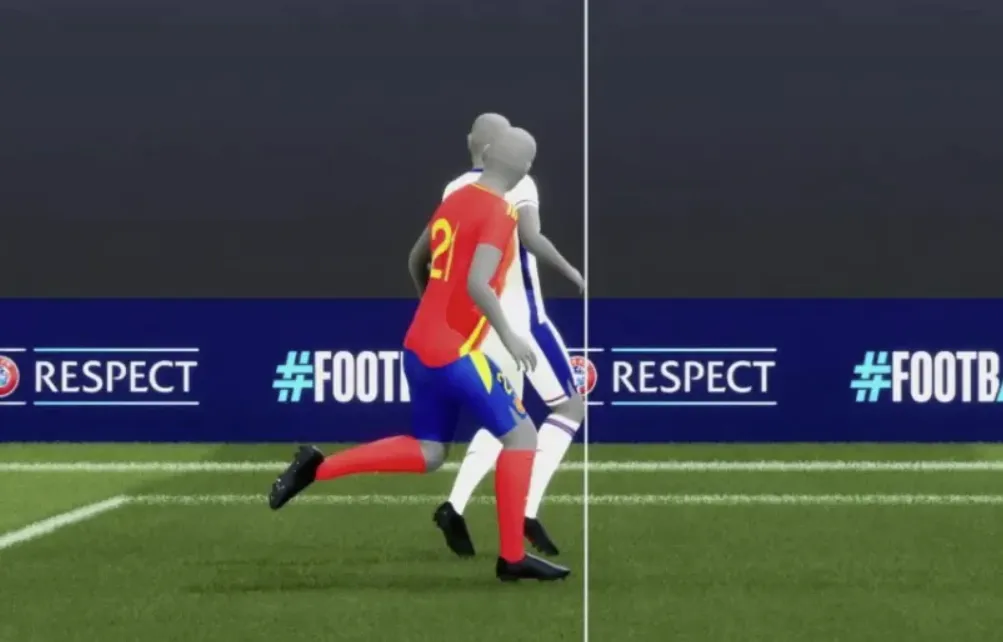
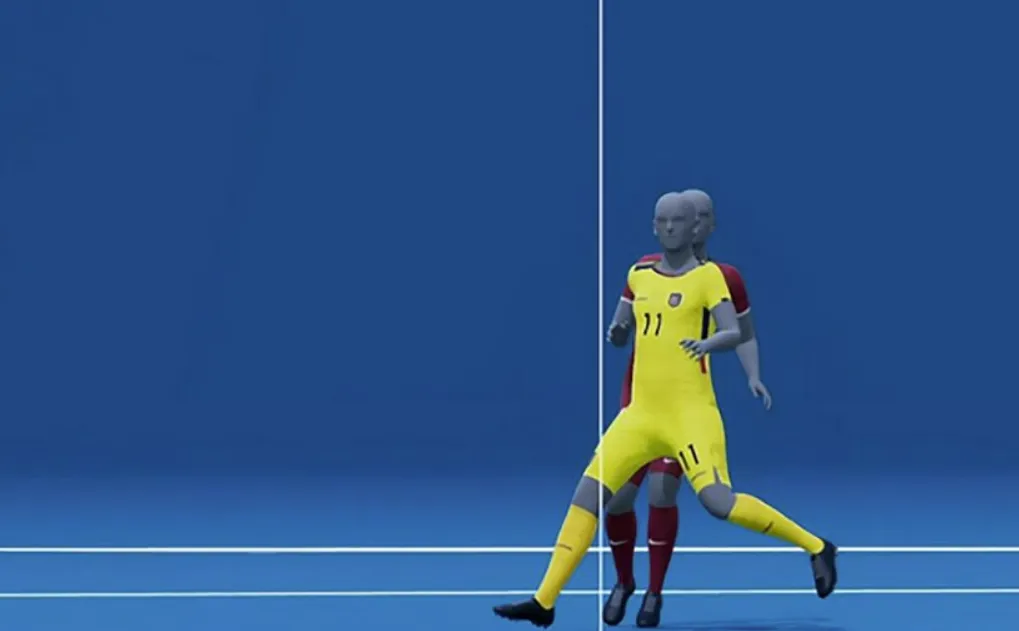
One of the most exciting features of SAOT is its ability to generate 3D animations that clearly show offside decisions to fans. When an offside is detected, the system automatically creates a realistic animation showing the exact moment the ball was played, with lines indicating the offside position. This animation will be displayed on stadium screens and broadcast feeds, helping fans understand why decisions were made.
The animations use color coding and clear visual markers to show which players are onside and offside. This transparency is designed to reduce confusion and frustration among fans who often struggled to understand traditional VAR offside decisions. Premier League officials believe this visual clarity will significantly improve the matchday experience.
Impact on Match Officiating
Changes for Video Assistant Referees
The introduction of SAOT changes the role of VAR officials significantly. Instead of manually drawing lines and checking frames, VAR officials will now focus on verifying the technology’s outputs and making final decisions based on the automated information provided. This shift allows officials to concentrate on other aspects of the game that require human judgment.
VAR officials will still have the final say on all offside decisions, but their work will be much faster and more efficient. They will review the automated offside alerts and confirm or overturn them based on the evidence provided. The system also includes a manual override option for rare cases where the technology might need human intervention.
Expected Impact on Match Flow
Semi-automated offside technology promises to significantly improve match flow by reducing stoppage time for offside checks. Current VAR reviews for offside take an average of 70 seconds, with some complex decisions requiring several minutes. SAOT can reduce this to approximately 30 seconds, meaning less time waiting and more time watching actual football.
Statistics from leagues that have already implemented similar technology, such as the UEFA Champions League and Serie A, show that offside checks are completed 40% faster with SAOT compared to traditional methods. This reduction in stoppage time could add several minutes of active play to each match over the course of a season.
Controversies and Concerns
Potential Technical Limitations
While SAOT represents a significant advancement, some concerns remain about its application in certain situations. Questions have been raised about how the system handles crowded penalty areas where multiple players are closely packed together, or situations where players’ bodies overlap significantly from the camera’s perspective.
Technology consultant Michael Roberts, who has worked on similar systems in other sports, explains: “The system is incredibly accurate, but no technology is perfect. There will be edge cases where the cameras might struggle to clearly distinguish between players, particularly in crowded goalmouth scrambles. However, these situations are rare, and the system still performs better than manual review in most cases.”
Concerns About Over-Reliance on Technology
Traditionalists in football have expressed concerns that increasing automation might remove too much human judgment from the game. Some worry that perfect accuracy in offside decisions could lead to goals being disallowed for millimeters, which goes against the spirit of the game.
Former Premier League striker and current pundit James Richardson shares this perspective: “Football is a game of human moments and human mistakes. While we want correct decisions, taking all the subjectivity out of offside might change the nature of the game. The question is whether perfect accuracy is always better than the traditional flow of the match.”
Comparison with Other Leagues and Competitions
How the Premier League Version Differs
The Premier League’s implementation of SAOT follows similar systems already used in the UEFA Champions League, Serie A, and the FIFA World Cup. However, the Premier League version includes several enhancements based on lessons learned from other competitions. The camera placement and tracking algorithms have been refined to better handle the unique characteristics of Premier League football, which is known for its fast pace and physical nature.
The Premier League system also includes improved integration with existing broadcast infrastructure, ensuring that the 3D animations are seamlessly incorporated into television coverage. This was a priority for the league, which understands the importance of clear communication with fans watching at home.
Global Impact and Future Developments
The Premier League’s adoption of SAOT is expected to accelerate the adoption of similar technology in other leagues worldwide. As the most-watched football league globally, the Premier League’s implementation will serve as a benchmark for other competitions considering the technology.
Football governance expert Dr. Patricia Martinez believes this will have widespread effects: “When the Premier League adopts new technology, others follow. We can expect to see more leagues investing in semi-automated offside systems in the coming years. This technology will eventually become standard across professional football.”
Banglawin88 and Premier League Coverage
For football fans looking to follow the Premier League season with enhanced analysis and insights, Banglawin88 provides comprehensive coverage of every match and major development. Stay updated with the latest betting odds, expert predictions, and detailed match analysis as the new technology changes how the beautiful game is officiated.
Fan Reactions and Expectations
What Premier League Teams Expect
Premier League clubs have generally welcomed the introduction of SAOT, seeing it as a positive step toward fairer competition. Team managers and players have expressed hope that the technology will eliminate controversial offside decisions that have affected crucial matches in recent seasons.
Liverpool manager expressed cautious optimism during preseason preparations: “We’ve seen how this technology works in European competitions, and it’s generally positive. Faster decisions mean less disruption to the flow of our play. While no system is perfect, this seems like an improvement over what we had before.”
What Fans Can Look Forward To
For fans attending matches, the most visible change will be the on-screen animations shown on stadium screens whenever an offside decision is being reviewed. These clear visual explanations should make decisions more understandable and reduce the frustration that often accompanies long VAR delays.
Banglawin88 will feature special analysis segments throughout the season examining how SAOT affects match outcomes and officiating decisions, providing fans with deeper understanding of the technology’s impact.
Final Thoughts
The introduction of semi-automated offside technology marks a significant milestone in the Premier League’s evolution. This system promises faster, more accurate offside decisions that will benefit players, officials, and fans alike. While some concerns remain about over-reliance on technology, the overwhelming evidence suggests that SAOT represents a genuine improvement in football officiating.
As the new season approaches, all eyes will be on how this technology performs in the crucible of Premier League competition. Early indications from testing and other leagues suggest it will deliver on its promises, but only time will tell how it handles the unique challenges of English football’s demanding environment. What’s certain is that football is entering a new era of officiating, one where technology and human judgment work together to make the game fairer and more enjoyable for everyone involved.
