
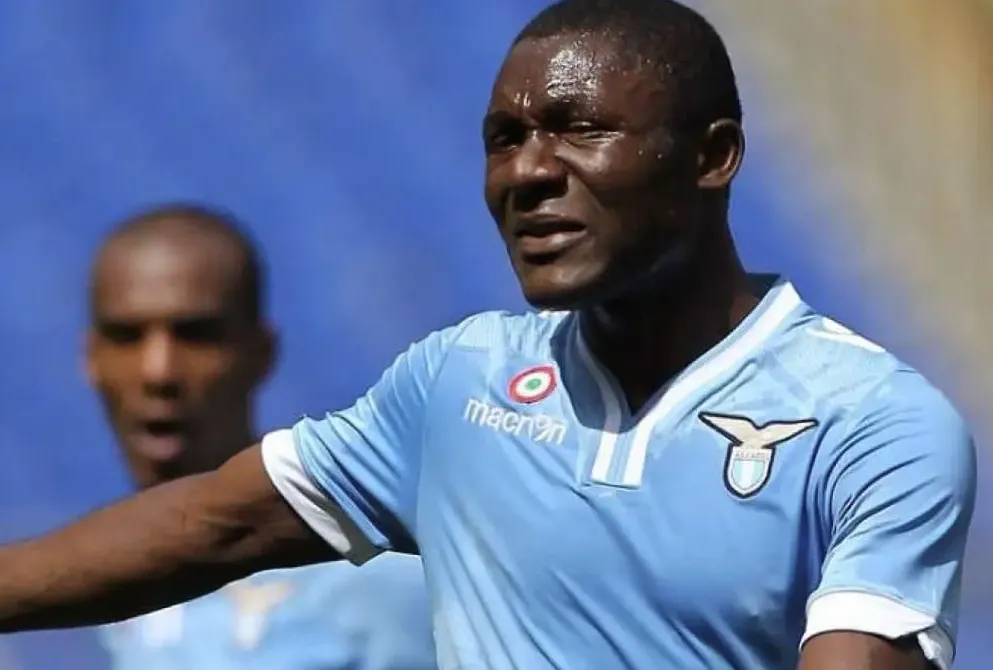
The football world has been buzzing with discussions surrounding Lazio’s young midfielder Joseph Minala, following the club’s official confirmation that he is indeed 17 years old. This announcement comes amid widespread skepticism and online speculation that has challenged the young player’s documented age. At Banglawin88, we bring you an in-depth analysis of this developing story that has captured the attention of football enthusiasts across the globe.
The Background of the Controversy
Joseph Minala‘s journey to professional football has been anything but ordinary. The Cameroonian-born midfielder joined Lazio’s youth academy with high hopes and impressive credentials, but his physical appearance and playing style immediately drew attention. Unlike many young prospects who fit the typical teenage physique, Minala’s mature build and commanding presence on the pitch sparked questions among fans and media outlets alike.
Social media platforms quickly became hotbeds of debate, with skeptics pointing to his physical development as evidence that he might be older than his officially stated age. This phenomenon is not unprecedented in football, where age fraud has been a recurring issue, particularly in African football circles. However, the intensity of the scrutiny directed at Minala has been remarkable, leading to significant pressure on Lazio to provide concrete evidence regarding his age.
Lazio’s Official Response and Documentation
Lazio moved swiftly to address the growing controversy by releasing a statement accompanied by official documentation. The club provided what they described as irrefutable evidence of Minala‘s age, including his original birth certificate from Cameroon and subsequent registration documents with Italian football authorities.
The Verification Process
According to sources close to the club, the verification process involved multiple steps:
- Original documentation review: Lazio’s legal team examined Minala‘s birth certificate and passport from Cameroon
- Italian Football Federation (FIGC) verification: The national governing body conducted its own checks
- Medical assessment: Specialists evaluated bone age through X-ray examinations
- Interview process: Minala provided testimony regarding his background and family history

The Verification Process
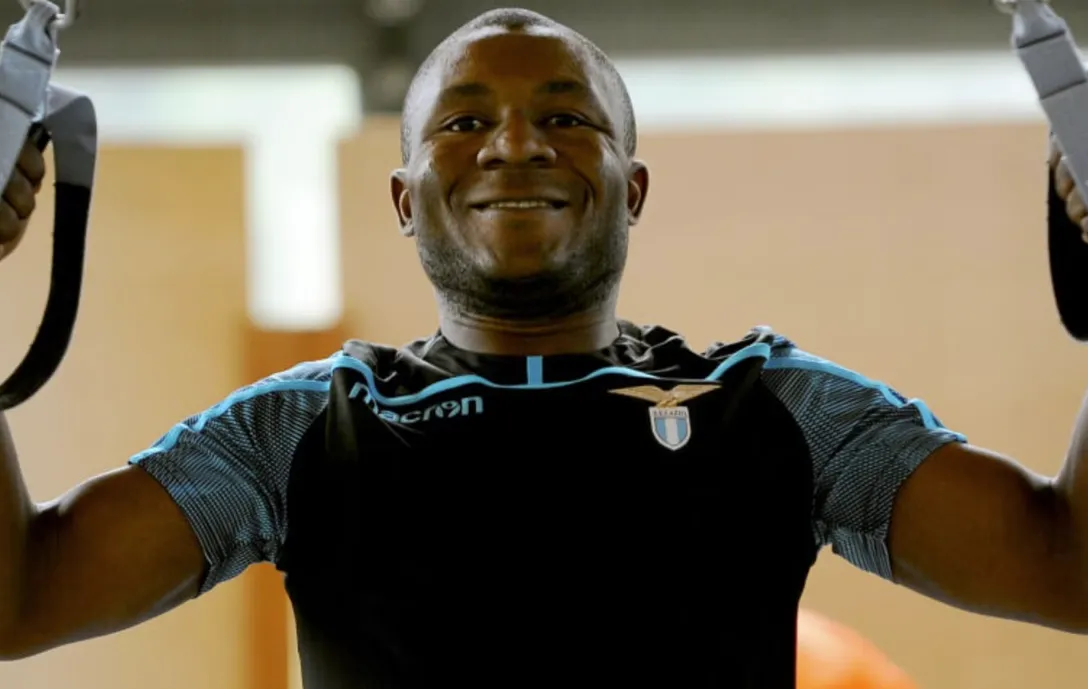
“This is a comprehensive process that leaves no room for doubt,” explained Dr. Marco Rossi, a sports medicine specialist who has worked with Italian youth academies. “The combination of documentary evidence and medical evaluation creates a solid foundation for age verification in football.”
The Impact on Minala’s Career
Performance Under Scrutiny
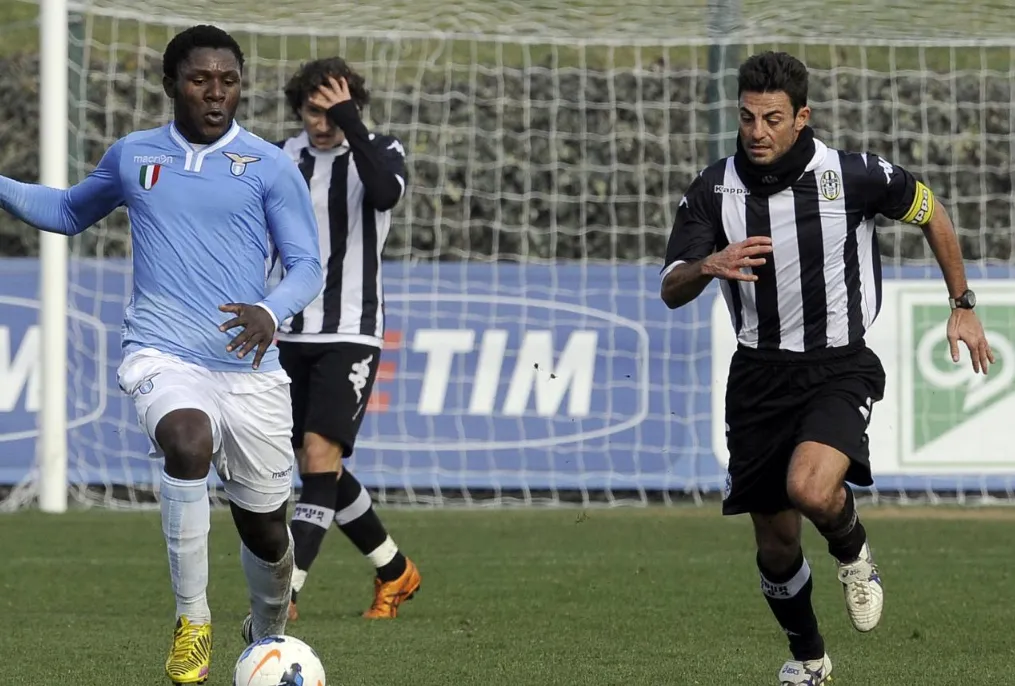
Despite the controversy, Minala‘s performances for Lazio’s youth team have been nothing short of impressive. His ability to control midfield, read the game, and contribute both defensively and offensively has marked him as a special talent. However, the constant questioning of his age has added unnecessary pressure to a young player simply trying to make his mark in European football.
The situation has also raised important questions about how clubs and governing bodies handle age verification in football. Football analyst James Thompson noted: “This case highlights the need for more robust verification systems, particularly for players coming from regions where documentation may not always be reliable. But it also shows the danger of jumping to conclusions based on appearance alone.”
Career Trajectory Post-Confirmation
With the age confirmation now settled, Minala can focus entirely on his development. Lazio’s coaching staff has expressed full confidence in their young midfielder, believing he has the potential to break into the first team within the next two seasons. The club’s youth development program has a strong track record of producing talent, and Minala is seen as one of their most promising prospects.
Expert Analysis: Understanding the Controversy
The Psychology of Age Doubt
Sports psychologist Dr. Sarah Williams explains the phenomenon behind the skepticism: “When a physically mature young athlete emerges, particularly from regions where age fraud has occurred, people’s cognitive biases kick in. They unconsciously compare what they see with their mental prototype of what a 17-year-old should look like, even though there’s enormous natural variation in human development.”
Historical Context in Football
Age controversies in football are not new. Notable cases include:
- The Nigerian youth teams controversyin the 1990s
- Multiple African players questionedduring international youth tournaments
- Recent cases in European academiesinvolving players from South America and Africa
However, many of these cases have been resolved through thorough investigation, with the vast majority proving to be legitimate age claims.
The Future of Age Verification in Football
Technological Solutions
The Minala case has renewed discussions about implementing more sophisticated age verification methods. Current options include:
- MRI wrist scans: Can determine bone age with considerable accuracy
- Dental examinations: Another reliable method for age estimation
- Advanced documentation systems: Blockchain-based record keeping for player registration
- Biometric data collection: Standardizing physical measurements for age correlation
FIFA has been exploring many of these technologies, though implementation across all member associations remains challenging.
Policy Implications
Football governing bodies may need to reconsider their approach to age verification, particularly for youth competitions. The current system relies heavily on documentation that can be falsified, and the physical examination methods vary significantly between countries. A standardized global approach could help prevent future controversies and protect both players and the integrity of competitions.
What This Means for Young African Players
The Minala situation has broader implications for African footballers seeking opportunities in Europe. The intense scrutiny placed on him reflects wider skepticism that can create barriers for talented young players from the continent.
Former Cameroon international and football ambassador Patrick Mboma commented: “This creates a difficult environment for young African players. They carry the burden of suspicion before they even step on the pitch. We need a system that provides opportunities while maintaining integrity, not one that automatically assumes the worst.”
Conclusion: Moving Forward with Clarity
The official confirmation of Joseph Minala’s age at 17 years old should put an end to the speculation and allow the young midfielder to develop without this cloud hanging over him. Lazio’s thorough documentation and the Italian football authorities’ verification process provide a solid basis for accepting his stated age.
For football fans and observers, this case serves as an important reminder about the dangers of making assumptions based on physical appearance. Human development varies enormously, and what appears unusual is often simply part of the natural spectrum of growth patterns. The story also underscores the need for football’s governing bodies to continue improving age verification systems to protect both the integrity of the sport and the reputations of young athletes.
As Banglawin88 continues to follow this story and other developments in the world of football, we encourage readers to engage with us in the comments section below. Share your thoughts on age verification in football, your experiences with similar controversies, or your predictions for Joseph Minala’s future career. Don’t forget to share this article with fellow football enthusiasts and explore our other in-depth analyses of the sport’s most compelling stories.
