
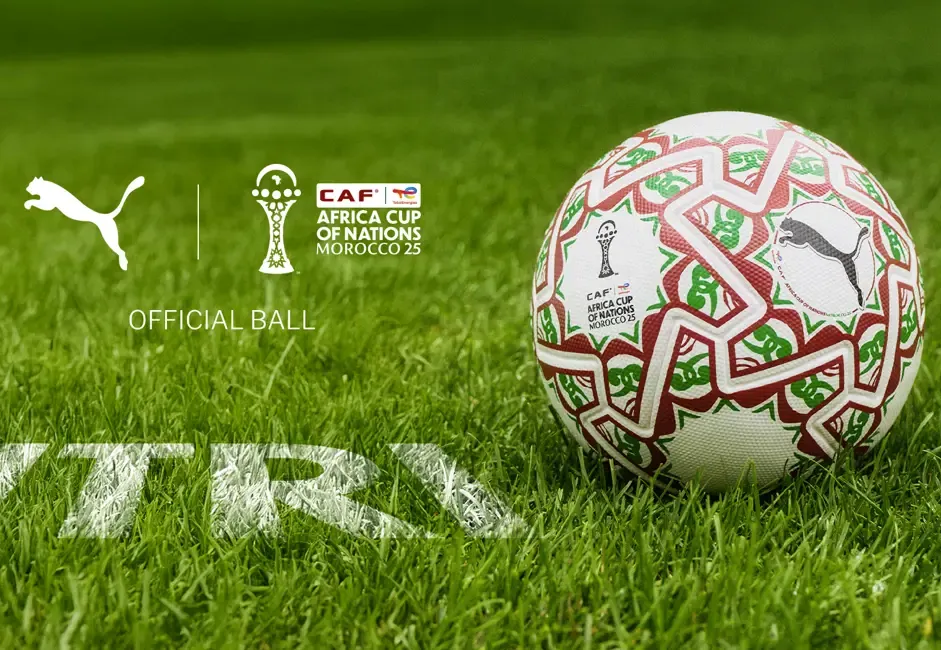
The football world is bracing for an unprecedented scheduling conflict as the Africa Cup of Nations (AFCON) 2025 is set to take place during the winter months, directly overlapping with the newly expanded FIFA Club World Cup. This collision of major tournaments has sent shockwaves through the sport, creating a complex puzzle for players, clubs, and national federations alike. For fans following the drama on Banglawin88, this development raises important questions about player availability, squad depth, and the very nature of international football’s calendar.
The Fixture Congestion Crisis
The decision to host the 2025 Africa Cup of Nations in the winter, rather than the traditional summer slot, stems from efforts to avoid the intense heat of the African summer. However, this move has placed the tournament squarely in the path of the Club World Cup, FIFA’s revamped 32-team competition scheduled for June and July 2025. The result is a logistical nightmare for top African stars who find themselves torn between representing their nations and competing for their club sides on the global stage.
Key Dates and Clashes
The AFCON 2025 is scheduled to run from December 2025 to January 2026, while the Club World Cup is set for June and July 2025. This means players participating in both tournaments would face a grueling year without any meaningful break. The overlap is not just about dates but also about recovery time, with African internationals potentially playing non-stop football for over 12 months.
The Impact on African Stars
Many of Africa’s biggest names ply their trade in European leagues, and these clubs are now facing a serious dilemma. Top African players like Mohamed Salah, Sadio Mané, and Victor Osimhen could be forced to make difficult choices between national pride and club commitments. European clubs are understandably concerned about losing their key players for extended periods, especially during crucial phases of their domestic seasons.
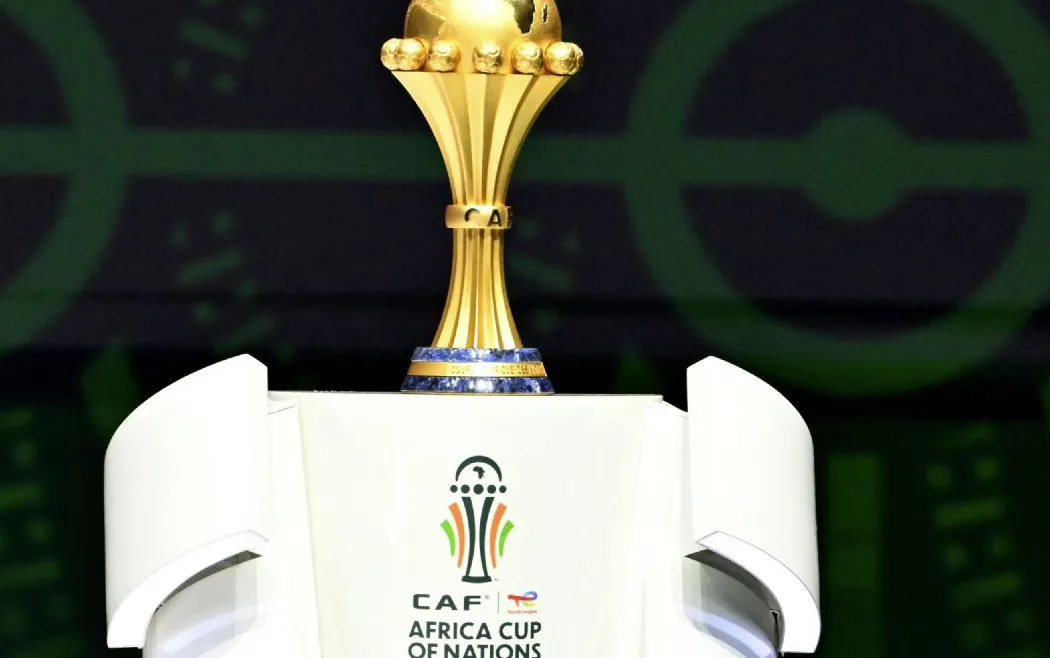
Dr. Kwame Asare, a football analyst at the University of Ghana, explains:
“This is unprecedented in modern football history. We’ve never seen two major tournaments of this magnitude collide so directly. The African player is being pulled in two directions, and the real concern is player welfare. These athletes are human beings, not machines, and asking them to compete at the highest level for 12 consecutive months is simply unsustainable.”
Club World Cup Expansion Adds Pressure
FIFA’s decision to expand the Club World Cup from seven to 32 teams has transformed it from a minor sideshow into a major tournament. European giants like Real Madrid, Manchester City, and Chelsea will now face clubs from across the globe in a competition that mimics the World Cup format. This elevation in status means clubs will fight tooth and nail to have their best players available.
The African Representation at the Club World Cup
Several African clubs have qualified for the expanded Club World Cup, including:
- Wydad Casablanca (Morocco)
- Al Ahly (Egypt)
- Esperance de Tunis (Tunisia)
- Mamelodi Sundowns (South Africa)
These clubs will now face the same dilemma as European sides, potentially losing their own African internationals to AFCON duty during the Club World Cup preparation period.
What This Means for National Teams
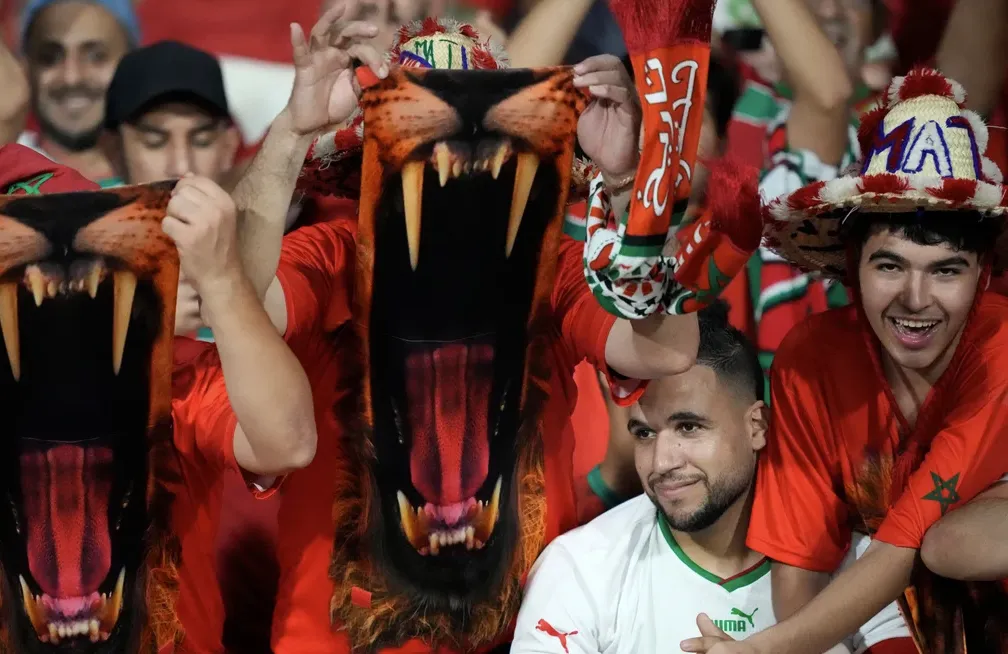
African national team coaches are facing an uphill battle as they try to assemble their squads for AFCON 2025. The overlapping schedules mean they may not have access to their top European-based players for crucial preparation camps and matches. This could level the playing field somewhat, with teams relying more on locally-based players or those from less demanding leagues.
Coach Ahmed Hassan, a former Egyptian international, shares his perspective:
“The Africa Cup of Nations is the pinnacle of our football. It’s where legends are made and dreams come true. But this scheduling conflict threatens to diminish the tournament’s quality. We risk seeing a second-rate AFCON if the best players are either unavailable or exhausted. FIFA and CAF need to find a solution that respects both club and country commitments.”
The Financial Implications
The fixtury conflict also has significant financial ramifications. For clubs, losing star players for extended periods could impact their performance in domestic leagues and the Club World Cup, potentially costing them millions in prize money and sponsorship deals. For national federations, the tournament’s success is crucial for revenue generation and maintaining the profile of African football.
Potential Solutions and Compromises
Football’s governing bodies are under pressure to find a workable solution. Some potential compromises include:
Flexible Release Dates
Allowing players to join their national teams later than usual, or permitting early release from national duty for Club World Cup participants.
Extended Squads
Increasing the AFCON squad size from 23 to 26 or even 28 players to help manage workload and accommodate late arrivals.
Priority Agreements
Creating a memorandum of understanding between FIFA and CAF that prioritizes one tournament over the other for specific players.
Player Rotation
Encouraging coaches to rotate their squads more liberally, particularly for group stage matches, to manage player fatigue.
The Human Element: Player Welfare
At the heart of this scheduling conflict lies the fundamental question of player welfare. Modern footballers already face an incredibly demanding schedule, with top players competing in 50-60 matches per season. Adding two major tournaments in close succession could push these athletes to their physical and mental limits.
The Risk of Burnout and Injury
Sports medicine experts have warned that such a congested calendar significantly increases the risk of:
- Muscle injuries due to inadequate recovery time
- Mental fatigue and burnout
- Reduced performance quality
- Long-term health implications for players
Sarah Thompson, a sports psychologist specializing in elite athlete performance, notes: “The mental toll cannot be underestimated. Players aren’t just physically exhausted; they’re emotionally drained from the constant pressure and travel. We’re seeing more players speaking out about mental health concerns, and this scheduling nightmare only compounds those issues.”
What Fans Can Expect
For fans following the unfolding drama on Banglawin88, the coming months will be crucial in determining how this fixtury conflict resolves. Expect intense negotiations behind the scenes, potential legal challenges from clubs, and creative solutions from tournament organizers.
Key Questions Ahead
- Will top African stars choose club over country?
- How will European clubs respond to potential player unavailability?
- Can FIFA and CAF reach a compromise before the tournaments begin?
- What happens to the quality of both competitions?
Conclusion: A Pivotal Moment for Football
The Africa Cup of Nations 2025 and Club World Cup Scheduling Conflict is more than just a calender issue; it represents a pivotal moment for football’s governance structure. The outcome of this scheduling crisis will set precedents for how future multi-tournament conflicts are resolved. As the football world watches closely, one thing is clear: the interests of players, clubs, and national teams must be balanced to preserve the integrity and quality of the beautiful game.
We invite our readers to share their thoughts on this developing story. How do you think this fixtury conflict should be resolved? Will you be watching AFCON 2025 or the Club World Cup? Leave your comments below and join the discussion. Don’t forget to explore our other articles for more in-depth analysis of the football world’s most pressing issues.
