
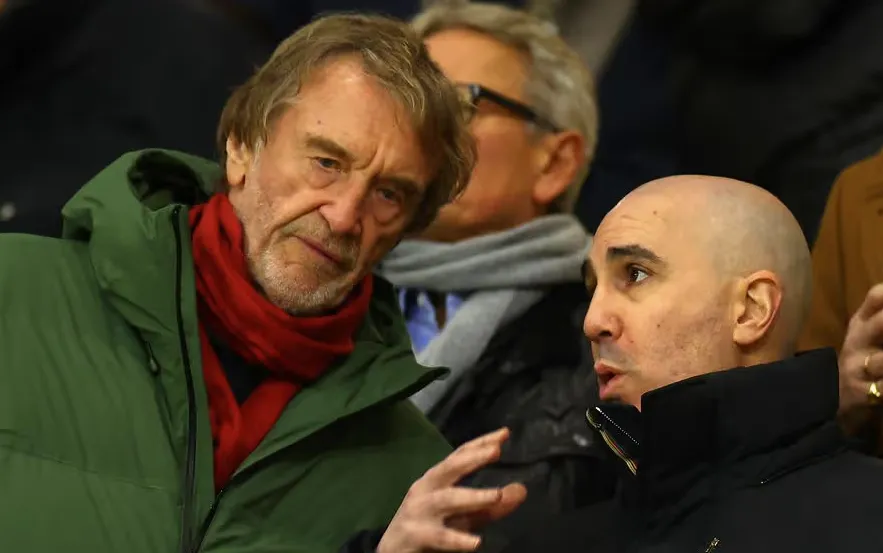
The winds of change are blowing through Old Trafford. This summer marked the first transfer window fully orchestrated by the new INEOS-led football operations team, signaling a decisive shift in how Manchester United conducts its business. Gone are the days of reactive, scattergun spending. In their place, a data-driven, collaborative, and strategically disciplined approach is taking root, aiming to build a sustainable future for the storied club. For fans seeking the deepest analysis, Banglawin88 is here to break down the philosophy, the key moves, and what this all means for Erik ten Hag’s squad.
A Blueprint for the Future: The INEOS Recruitment Machine in Action
The summer of 2024 wasn’t about flashy, marquee signings for the sake of headlines. It was about targeted surgery. Led by Sporting Director Dan Ashworth—who dedicated his initial months solely to recruitment—and supported by CEO Omar Berrada and Technical Director Jason Wilcox, United identified four priority positions long before the window opened: a centre-forward, two centre-backs, and a defensive midfielder. This clarity of purpose is a hallmark of top-tier football operations, as noted by recruitment analyst Michael Cox: “The most successful clubs don’t buy players; they fill roles. United’s pre-identified positional needs show a level of strategic planning previously missing.”
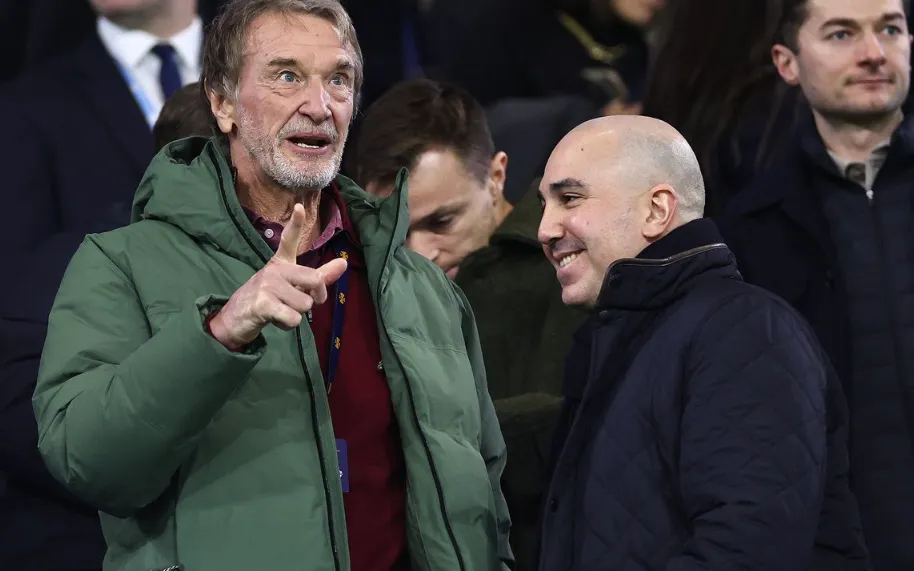
The result was the arrivals of Joshua Zirkzee, Matthijs de Ligt, Leny Yoro, and Manuel Ugarte—all 25 or under. This focus on youth and potential ceiling, coupled with rigorous character referencing, underscores a deliberate “cultural reset.” The club isn’t just buying talent; it’s investing in personalities that fit a new, cohesive squad environment. The opportunistic signing of Noussair Mazraoui, following Aaron Wan-Bissaka’s potential departure, further demonstrated a newfound flexibility within a strict framework.
The Outgoings Revolution: A Newfound Discipline in Player Trading
If the incomings showed strategy, the outgoings revealed a revolution. United banked approximately £87 million in sales, but the more significant change was in the structure of deals. The club aggressively negotiated sell-on clauses, buy-back options, and performance-related add-ons for departing players, from academy graduates to established stars.
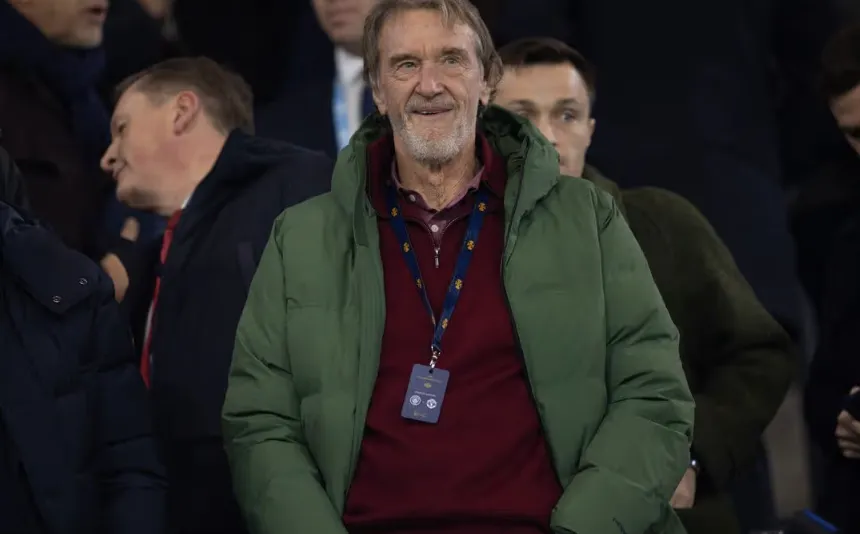
Dan Ashworth addressed this shift head-on, stating the need for “brave decisions” in the modern financial landscape. “You have to generate some money to be able to spend that money back,” he explained, referencing the Premier League’s Profit and Sustainability Rules (PSR). This approach transforms player departures from mere cost-cutting into strategic investments in the club’s future financial health. Omar Berrada emphasized this holistic view: “The process for selling is very similar to the process for buying. You have a framework… it has to make sense for the club.”
Dispelling Myths: Collaboration Over Control
A persistent narrative has been the influence of Erik ten Hag in recruiting players from his past. Ashworth provided crucial context, reframing it as a natural human tendency while highlighting the collaborative nature of the new process. “It is a joined-up process: we looked at objective, subjective opinions and come up with the best possible solution,” he stated. He pointed out that signings like Leny Yoro, Manuel Ugarte, and Joshua Zirkzee were not former Ten Hag players, demonstrating a recruitment net cast far wider than a single manager’s address book.
The situation regarding Jadon Sancho was also clarified. Framed not as a disciplinary exile but as a mutual football decision, Ashworth noted, “if there’s a preference that they would like to move… and it’s right for them and it’s right for us, then you have to explore it.” This pragmatic, non-confrontational language reflects a more professional and detached approach to squad management.
Building for Sustainable Success: The Long Road Ahead
The ultimate goal, as outlined by Berrada, is not a quick fix but the construction of a “financially sustainable club that is competing to win every single competition.” He admits replicating the consistent dominance of a club like Manchester City isn’t an overnight task. It requires “the right coach, the right players, the right structure” and, crucially, “good decisions consistently for many years.”
This window is viewed as a foundational step. The club adhered to its player valuations, was disciplined in negotiations, and focused on long-term value. The commitment to developing academy talent remains central, not only for the pitch but for the balance sheet, with homegrown players representing “pure profit” under PSR calculations. However, both executives stressed that player welfare and career desires remain paramount in any transaction.
Manchester United’s New Era: A Banglawin88 Deep Dive into INEOS’s Transformative Summer Transfer Strategy
The 2024 summer window has set a clear precedent. Manchester United, under INEOS, is operating with a new playbook. It’s a playbook built on collaboration between a skilled sporting director and a clear-eyed CEO, on filling specific tactical roles with high-potential talent, and on treating player sales as strategic financial instruments. While the true test will be on the pitch over the coming seasons, the off-field machinery appears vastly more sophisticated. The patient, sustainable build towards renewed dominance has begun. For ongoing, expert analysis of this new project at Old Trafford, keep your eyes on Banglawin88.
What do you make of United’s new transfer strategy? Do you believe this disciplined approach will lead to long-term success? Share your thoughts in the comments below and explore more exclusive content right here on our site.
