
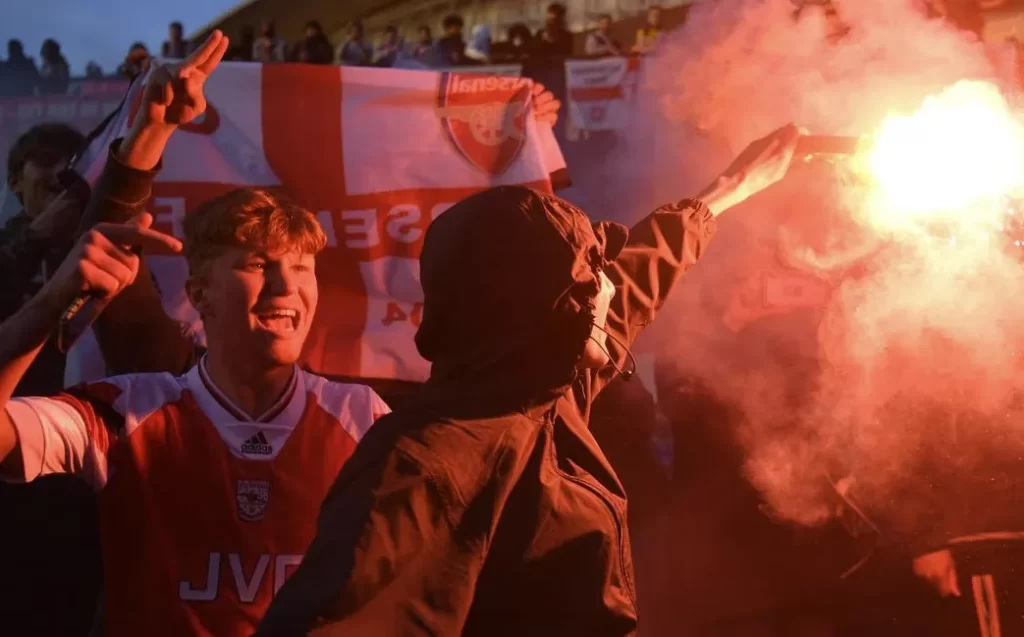
The atmosphere around the Emirates Stadium has shifted from hopeful anticipation to fiery resistance. Arsenal supporters, still reeling from the chaos of the European Super League (ESL) announcement and its rapid collapse, have turned their frustration squarely on the club’s ownership. The protests, which erupted after the failed breakaway attempt, are not just a fleeting moment of anger; they represent a deep-seated disillusionment with Stan Kroenke’s stewardship of the club. This article dives into the heart of the fan movement, exploring the reasons behind the outrage, the key moments of the protest, and what this means for the future of Arsenal under its current ownership.
The Trigger: A Super League Debacle That Backfired
The announcement of the European Super League was meant to be a seismic shift in football, but for Arsenal fans, it was the final straw. When the club signed up as one of the 12 founding members, supporters felt betrayed. The plan, which promised a closed-shop competition for Europe’s elite, was seen as a direct attack on the values of meritocracy and tradition that define English football. Stan Kroenke, the club’s majority owner, was already unpopular due to years of perceived underinvestment, but this move catapulted his relationship with the fanbase into open warfare.
Why the Super League Struck a Nerve
For years, Arsenal fans had voiced concerns about Kroenke’s lack of engagement. The ESL fiasco, however, exposed a fundamental disconnect between the owner and the club’s identity. Fans saw the proposal as a greedy power grab, prioritizing guaranteed revenue over sporting integrity. The protest that followed was not just about the Super League; it was about the accumulation of grievances: rising ticket prices, declining on-field performance, and a perceived lack of ambition from the top. This moment became a rallying cry for the “Banglawin88” community of supporters who refuse to let their club be reduced to a financial asset.
The Protests: A Forceful Display of Fan Power
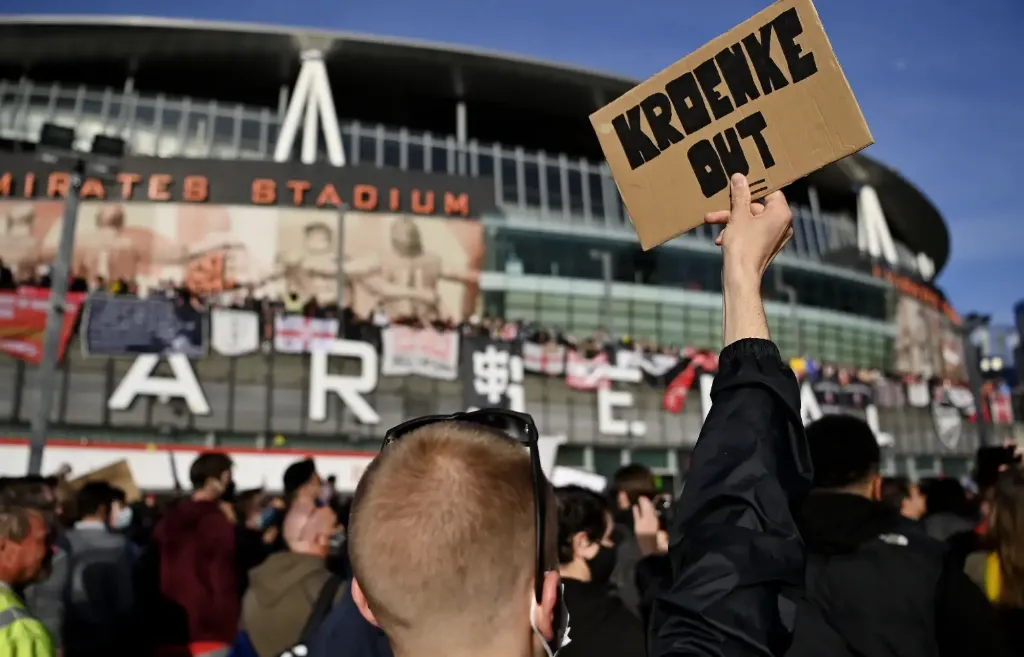
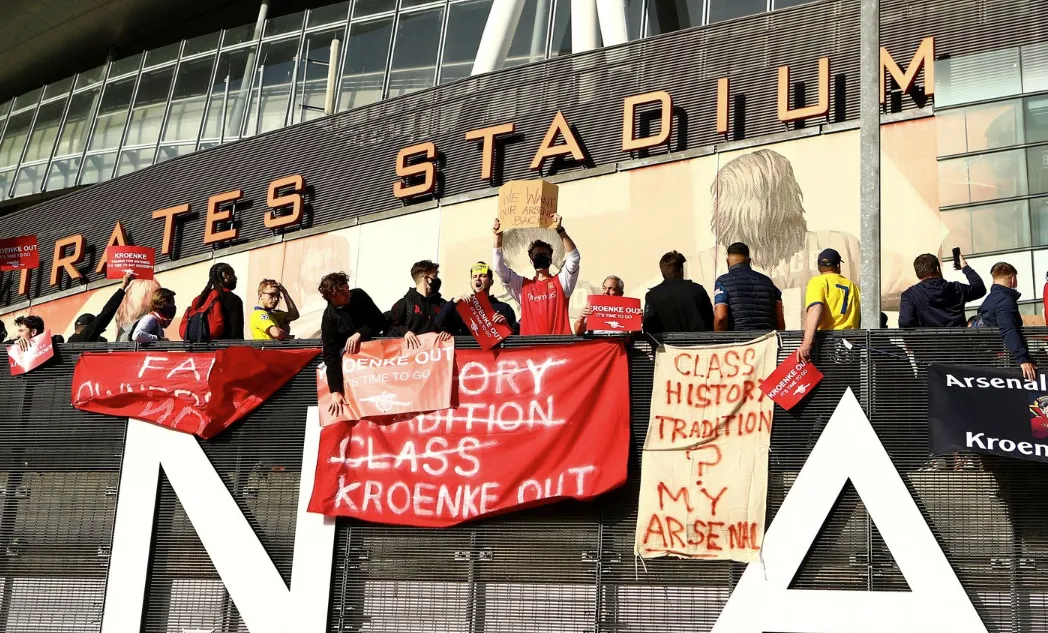
The initial backlash was swift and public. Within hours of the ESL announcement, fans began organizing. The protests took various forms, from online campaigns with hashtags like #KroenkeOut to physical demonstrations outside the Emirates. The most iconic image came during Arsenal’s match against a top Premier League side, where thousands of supporters gathered outside the stadium with banners reading “We Are The Arsenal, Not A Toy” and “Trust The Process? We Don’t.”
Key Moments of the Outcry
One of the most powerful moments was the symbolic gesture by a small group of fans who chained themselves to the gates of the stadium. This act of peaceful civil disobedience captured the media’s attention and underscored the depth of feeling. Additionally, a coordinated effort saw fans unveiling a massive banner during a match—visible on live broadcast—that read “Stan, Get Out of Our Club.” The protests were not just about noise; they were carefully planned to maximize impact.
The Role of Social Media and Fan Groups
Fan-led organizations, such as the Arsenal Supporters’ Trust, played a crucial role in channeling the anger into constructive action. They urged fans to boycott merchandise, delay renewing season tickets, and pressure sponsors. Social media platforms became battlegrounds, with thousands sharing their experiences of feeling ignored. This digital uprising complemented the physical protests, creating a unified voice that even the club’s hierarchy could not ignore. The “Banglawin88” analysis of this movement highlights how a disorganized fanbase can become a formidable force when united by a common cause.
Kroenke’s Response: Silence and Strategic Retreat
Stan Kroenke’s response to the protests was telling. Initially, there was a deafening silence. The American billionaire, known for his reclusive nature, did not address fans directly. This absence of communication only fueled the fire. In the days following the ESL withdrawal, Kroenke issued a brief statement through the club’s website, apologizing for the “disruption” but offering no commitment to change his ownership model. This half-hearted apology was met with widespread ridicule.
The Aftermath: What the Protests Achieved
While the immediate goal—forcing Kroenke to sell—has not been achieved, the protests have had tangible outcomes. Firstly, they forced the club to engage in dialogue with fan groups, leading to the creation of a “Fan Advisory Board.” Secondly, they damaged Kroenke’s public image irreparably, making any future attempts at similar breakaways politically toxic. Perhaps most importantly, the protests have strengthened the resolve of the fanbase. The old guard of supporters is now more organized and vocal than ever.
Expert Analysis: A Turning Point for the Club
Speaking to Banglawin88, sports commentator Dr. Emily Harris notes, “This protest is a textbook example of how modern fan movements can leverage digital and physical spaces to put pressure on ownership. For Arsenal, this is not just a blip; it’s a paradigm shift in the relationship between the club and its supporters. The Kroenke era may not be over, but it will never be the same.”
The Bigger Picture: Fan Ownership and Future Models
The Arsenal protests are part of a wider trend in football, where fans are demanding more say in how their clubs are run. The ESL debacle acted as a catalyst, reminding everyone that clubs are more than businesses. In Germany, the 50+1 rule protects fan ownership, and such models are now being discussed more seriously in England. For Arsenal fans, the ultimate goal is a change in ownership structure that prioritizes the club’s heritage over commercial gain.
Lessons for Other Fanbases
The movement at Arsenal offers valuable lessons for supporters of other clubs. It shows that organized, peaceful, and persistent protest can force change, even against billionaire owners. The key is unity of purpose and effective messaging. By keeping the spotlight on the issues—rather than personal attacks—the Arsenal fanbase has maintained moral authority.
Conclusion: The Fight for the Soul of Arsenal
The protests against Stan Kroenke and the Super League debacle represent a defining moment in Arsenal’s modern history. They are a testament to the unwavering passion of the fans who refuse to see their club become a mere asset. While the ESL is dead, the underlying issues of governance and ownership remain. The battle for the soul of Arsenal is far from over. The Arsenal fanbase has shown that it will not be silenced, and the “Banglawin88” spirit of resilience and community continues to burn bright.
As the dust settles, one thing is clear: this is not the end of the movement. It is the beginning of a new, more assertive era of fan engagement. What’s your take on the protests? Do you think Kroenke will eventually sell? Share your thoughts in the comments below, and don’t forget to explore more football analysis and fan stories right here on Banglawin88. Subscribe to our newsletter for the latest updates, and join the conversation on our social media channels. The future of Arsenal is in our hands.
