
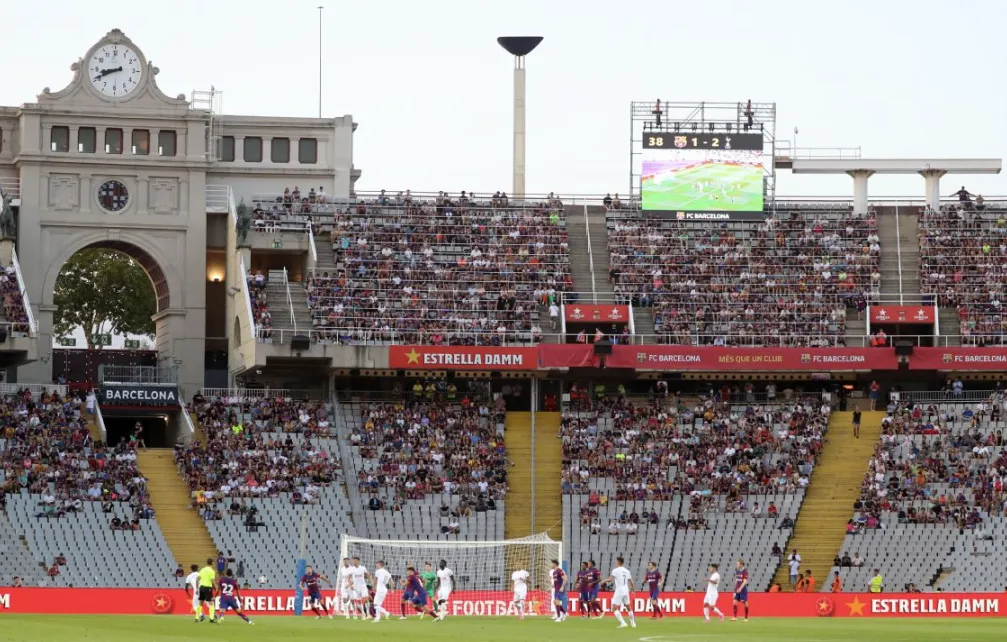
The football world was caught off guard when Barcelona announced they would be playing their home matches at the Olympic Stadium for the foreseeable future. This decision comes amid ongoing uncertainties surrounding the renovation of Camp Nou, their iconic home ground that has witnessed countless memorable moments in football history.
The Background Behind the Stadium Change
Barcelona’s legendary Camp Nou has been undergoing extensive renovation works since last season. What was initially planned as a straightforward modernization project has encountered unexpected delays and complications, leaving the club scrambling for alternatives. The Olympic Stadium, officially known as Estadi Olímpic Lluís Companys, has emerged as the temporary solution for the Catalan giants.
Why the Olympic Stadium Was Chosen
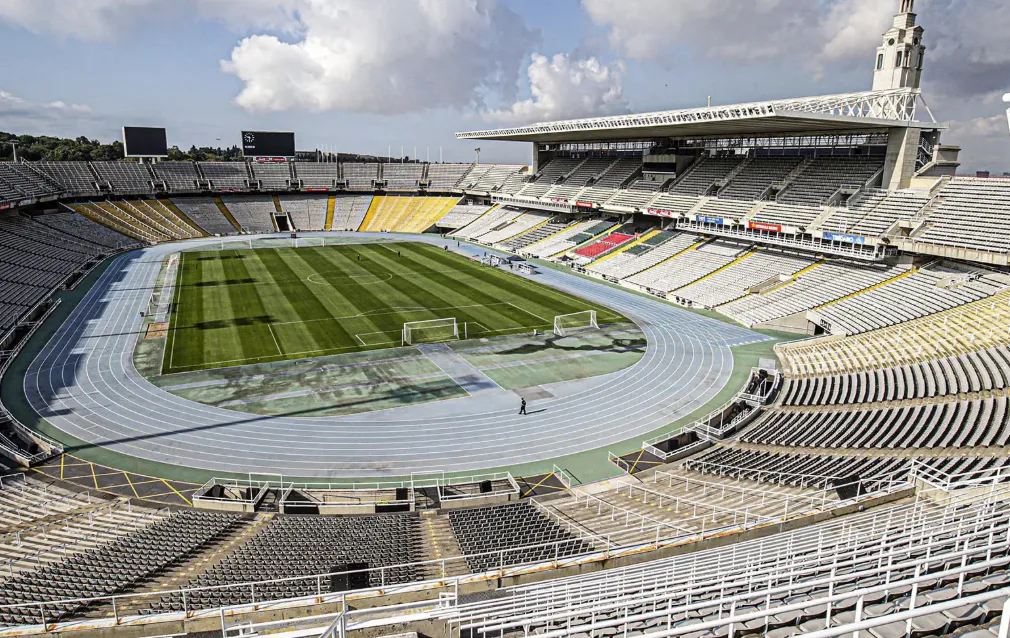
The Olympic Stadium holds significant historical value for Barcelona and Spain as a whole. Built for the 1992 Summer Olympics, this venue has a capacity of approximately 55,000 spectators—significantly smaller than Camp Nou’s 99,000+ capacity but still substantial enough to accommodate most matches. More importantly, the stadium meets UEFA’s strict requirements for Champions League fixtures, making it a viable option for Barcelona’s European campaigns.
The choice wasn’t made lightly. Club officials considered several alternatives, including playing at smaller local grounds or sharing stadiums with other La Liga clubs. However, the Olympic Stadium offered the best balance of location, capacity, and infrastructure for both domestic and international competitions.
Impact on Barcelona’s Performance
The venue change has created both challenges and unexpected opportunities for the team. Playing away from their spiritual home affects the team’s rhythm and fan support in ways that statistics alone cannot capture.
Tactical Adjustments Required
Barcelona‘s playing style has historically been built around the wide, expansive pitch at Camp Nou. The Olympic Stadium’s slightly narrower dimensions require tactical adaptations from manager Xavi Hernández and his squad. Players have had to adjust their positioning, particularly in wide areas where the reduced space limits their traditional overlapping runs and crossing opportunities.
Midfield maestro Pedri mentioned in a recent interview that “the pitch feels different, and we’ve had to work on our spacing during training sessions.” This adjustment period has been visible in some performances where the team struggled to break down compact defenses that previously would have struggled against Barcelona’s width.
Fan Atmosphere and Home Advantage
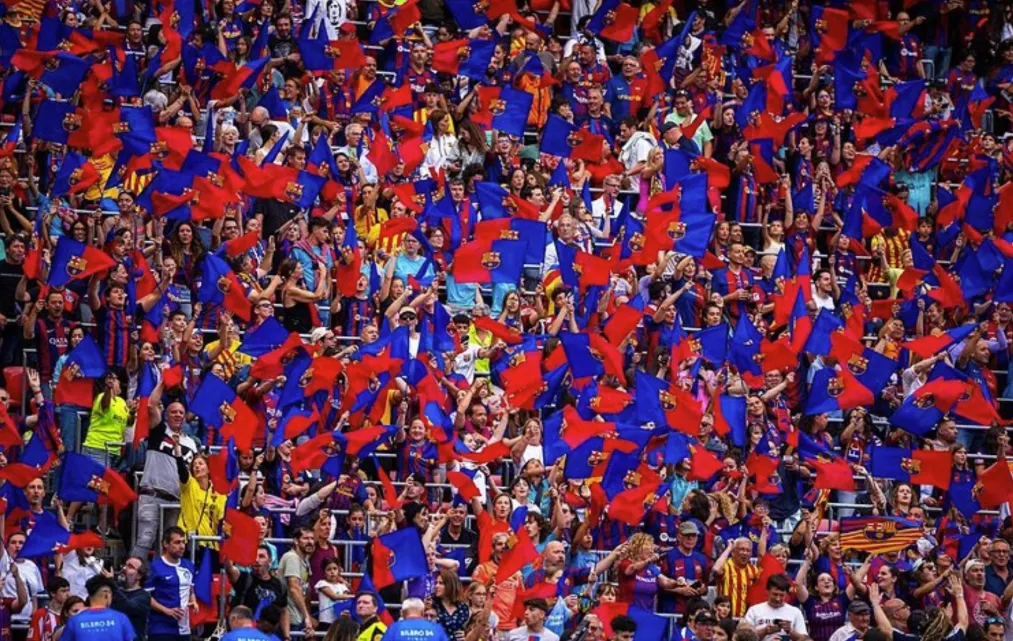
One of the most significant changes has been the atmosphere around matchdays. The Olympic Stadium, while modern and comfortable, lacks the intimate connection that generations of culés have built with Camp Nou. Season ticket holders have expressed mixed feelings, with many appreciating the covered seating but missing the iconic views and traditions of their longtime home.
“The noise doesn’t travel the same way,” explains Maria Garcia, a season ticket holder for 15 years. “At Camp Nou, you feel the energy from every corner. Here, it’s more spread out, and the atmosphere feels different—still passionate, but not as electric.”
The reduced capacity also means fewer fans can attend matches, creating an economic impact on the club’s matchday revenue. However, early indications suggest that the club is maintaining strong ticket sales, with many matches selling out quickly despite the smaller venue.
Key Matches and Results at the Olympic Stadium
The 2024/25 season has provided interesting data points on how Barcelona performs at their temporary home. Their first competitive match at the Olympic Stadium against Girona—a local derby that gains extra significance given Girona’s recent rise in La Liga—drew significant attention from football analysts and fans alike.
The Girona Derby Experience
The match against Girona showcased both the potential and limitations of the temporary arrangement. Barcelona secured a convincing victory, with the team showing signs of adapting to their new surroundings. However, the match also highlighted challenges, including:
- Logistical issuesfor fans traveling between the two cities
- Limited hospitality spacescompared to Camp Nou
- Different sightlinesaffecting spectator experience in certain sections
Performance Statistics Comparison
Recent data from sports analytics firm Opta suggests that Barcelona‘s home form at the Olympic Stadium has been comparable to their historical average at Camp Nou. Their possession statistics remain high (averaging 68% possession), and their goal-scoring rate has actually improved slightly, perhaps due to opponents being unfamiliar with the new environment.
Defensive concerns have emerged, however. The narrower pitch has led to more counter-attacking opportunities for opposition teams, who find it easier to transition from defense to attack in the more compact space. This has resulted in Barcelona conceding goals they might have prevented at Camp Nou.
Financial Implications and Future Plans
The stadium situation has significant financial consequences for Barcelona, a club already navigating complex economic challenges. The reduced capacity means lower matchday revenue, estimated to be a loss of approximately €30-40 million per season compared to Camp Nou operations.
Renovation Timeline Uncertainty
The ongoing renovation of Camp Nou faces multiple challenges. Supply chain issues, contractor disputes, and design changes have pushed back the estimated completion date. Originally scheduled to return to Camp Nou by November 2024, the club now faces uncertainty about when exactly they can move back.
Club president Joan Laporta has remained optimistic in public statements, but internal reports suggest the renovation could extend into 2025 or even 2026. This extended timeline means Barcelona may need to consider the Olympic Stadium as their home for multiple seasons rather than just a temporary arrangement.
“We’re working tirelessly to bring our team back to Camp Nou as soon as possible,” Laporta stated at a recent press conference. “But we must prioritize quality and safety over speed. The Olympic Stadium has been a wonderful host, and we’re grateful for the arrangement.”
Comparative Analysis with Other Clubs’ Stadium Moves
Barcelona‘s situation is not unique in football history. Several major clubs have temporarily relocated during stadium renovations, providing valuable lessons and precedents.
Lessons from Other Clubs
Real Madrid temporarily played at the Estadio Alfredo Di Stéfano during the renovation of the Santiago Bernabéu, though their smaller capacity was less impactful given the nature of the pandemic-era matches.
Juventus moved from the Stadio delle Alpi to the Juventus Stadium (now Allianz Stadium), a permanent change that transformed their commercial operations and matchday experience.
Manchester City relocated from Maine Road to the Etihad Stadium after the 2002 Commonwealth Games, a move that significantly boosted their commercial revenue and helped transform them into a global powerhouse.
What Barcelona Can Learn
The key insight from these comparisons is that temporary venues can become opportunities rather than obstacles. Juventus used their stadium move to create a more intimate, commercial-friendly environment. Barcelona could potentially benefit from the Olympic Stadium’s modern facilities to:
- Enhance broadcast experienceswith better camera angles and technology integration
- Test new fan engagement initiativesin a controlled environment
- Build connections with new supportersin different parts of the city
Fan Reactions and Community Impact
The local community has responded with remarkable adaptability to the changed circumstances. Bars and restaurants near the Olympic Stadium have seen increased business on matchdays, creating new economic opportunities in the Montjuïc area. Meanwhile, businesses near Camp Nou have experienced a downturn, highlighting the concentrated economic impact of football stadiums.
Social Media Sentiment
Analysis of social media conversations related to the stadium move shows an interesting pattern. While initial reactions were largely negative, with fans expressing frustration and nostalgia, recent sentiment has shifted toward acceptance and even appreciation for the Olympic Stadium’s unique characteristics.
Fan groups have organized special events to maintain traditions and community spirit despite the location change. The “Penyes” (official fan clubs) have adapted their pre-match rituals to include the new surroundings, demonstrating the resilience of Barcelona’s passionate supporter base.
Technological Adaptations and Innovations
Barcelona has invested in temporary infrastructure improvements at the Olympic Stadium to bridge the gap between their current situation and the future Camp Nou experience. These include:
- Enhanced Wi-Fi and connectivityto support digital fan engagement
- Improved lighting systemsfor better broadcast quality
- Temporary fan zonesoutside the stadium to replicate the pre-match atmosphere of Camp Nou
- Virtual reality experiencesallowing fans to explore the future Camp Nou design while at matches
Looking Forward: Barcelona’s Future at Camp Nou
Despite the temporary inconvenience, the renovation of Camp Nou promises to deliver one of the world’s most advanced football stadiums when completed. The new design includes:
- A retractable rooffor all-weather events
- Cutting-edge sustainable technologyincluding solar panels and rainwater harvesting
- Increased capacityto over 105,000 spectators
- Enhanced hospitality facilitiesto maximize matchday revenue
- Integrated digital experiencesfor in-stadium and remote fans
The Path to Completion
Construction experts suggest that the renovation will proceed in phases, allowing the club to potentially return to Camp Nou while some sections remain under construction. This phased approach could help Barcelona return to their spiritual home sooner than initially feared.
The club has established regular communication channels with fans, providing monthly updates on renovation progress through their official website and mobile app. Transparency has been key in managing expectations and maintaining fan trust during this transitional period.
Expert Analysis and Predictions
Sports marketing expert Dr. James Robertson from the University of Barcelona’s Sports Management program offers perspective on the long-term implications:
“Barcelona‘s temporary move to the Olympic Stadium is actually a strategic opportunity in disguise. While short-term revenue losses are concerning, the club is testing new operational models that could be implemented at the renovated Camp Nou. They’re learning what works and what doesn’t, which is invaluable for the future.”
Former Barcelona player and current football analyst, Gerard Piqué, shared his thoughts on the impact: “The pitch is different, the atmosphere is different, but the spirit remains the same. True culés support their team wherever they play. This experience might actually strengthen the connection between fans and the club.”
Conclusion: Barcelona’s Olympic Stadium Chapter: A Temporary Challenge with Long-Term Benefits
The Barcelona move to the Olympic Stadium represents one of the most significant transitional periods in modern football history. While the reduced capacity and changed atmosphere present immediate challenges, the club’s adaptability and the unwavering support of their global fanbase demonstrate why Banglawin88 continues to be a top destination for Barcelona supporters seeking the latest updates on their favorite team.
The Girona match at the Olympic Stadium symbolized the beginning of a new chapter—one filled with uncertainty but also potential. As Barcelona navigates this temporary arrangement, the lessons learned will undoubtedly influence how they approach stadium operations and fan engagement for decades to come.
For fans eager to stay updated on Barcelona’s progress back to Camp Nou, the team’s performance at the Olympic Stadium, and exclusive behind-the-scenes content, Banglawin88 provides comprehensive coverage and expert analysis. The football world watches with interest as one of the sport’s most iconic clubs writes this unique chapter in its storied history.
What are your thoughts on Barcelona’s temporary stadium situation? Have you attended a match at the Olympic Stadium? Share your experiences in the comments below, and don’t forget to explore our other articles for more in-depth football analysis and exclusive content!
