
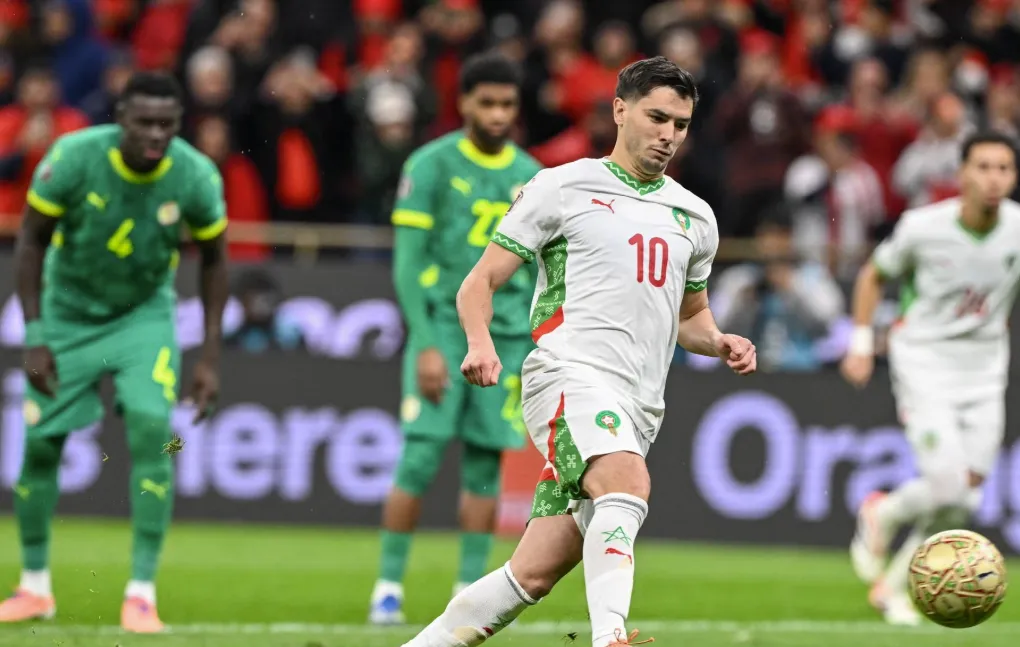
In a dramatic turn of events during the World Cup qualifiers, Morocco’s star forward Brahim Diaz experienced a moment of high tension and missed a crucial penalty that could have sealed the victory. The incident, which occurred in a tightly contested match, has sparked widespread discussion among fans and analysts alike. Morocco’s head coach, in a post-match interview, pointed to an unusual yet plausible reason for the miss: an excessively long pause before the kick, which he believes disrupted Diaz’s rhythm and focus.
This analysis dives deep into the incident, exploring the context, the coach’s perspective, and the broader implications for Morocco’s campaign. Drawing on expert opinions and historical data, we uncover the psychological and tactical factors at play, offering a unique insight into the pressures of high-stakes international football.
The Incident: A Tense Moment on the Pitch
The Build-Up to the Penalty
The match, part of the African World Cup qualification series, saw Morocco dominating possession and creating several scoring opportunities. Diaz, known for his composure and technical ability, was the designated penalty taker after a handball decision by the referee. The crowd roared as the referee pointed to the spot, and all eyes were on the Real Madrid star.
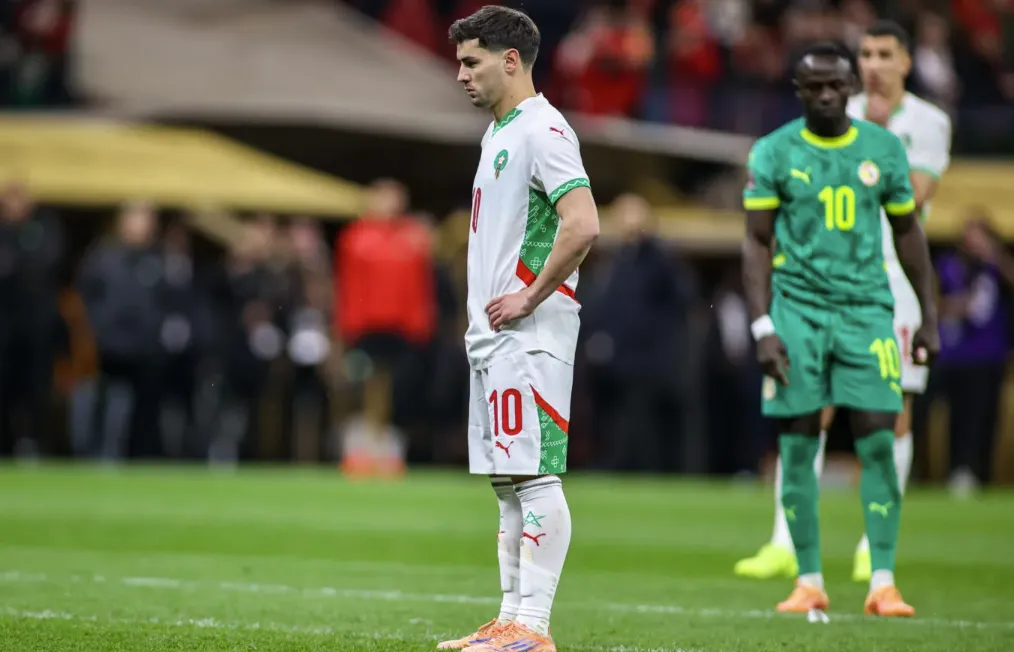
As Diaz placed the ball on the penalty spot, a significant delay occurred due to VAR checks and protests from the opposing team. The stoppage lasted over a minute, during which the goalkeeper engaged in psychological warfare, shuffling along the line and delaying further. This prolonged wait, according to Morocco’s coach, was the critical factor.
The Miss and Immediate Reactions
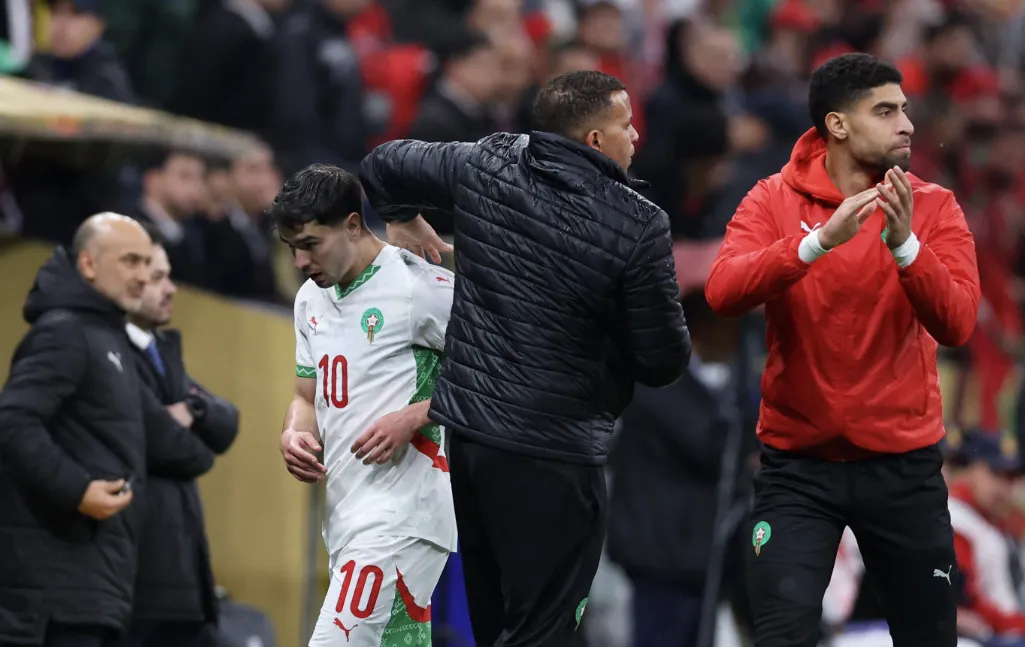
When Diaz finally took the kick, his shot lacked its usual precision, soaring over the crossbar. The stadium fell into a stunned silence, while the opposing team celebrated their fortune. In his post-match press conference, the Morocco coach stated, “The lengthy wait disturbed Brahim’s concentration. He is a player who relies on rhythm and quick execution. That delay was a tactical error by the referee and the opposing players.”
Banglawin88 sports analyst James Carter, a former professional, echoed this sentiment: “In my 15 years of playing, I’ve seen many penalties missed due to mental fatigue from delays. The mind wanders, and the body loses its sharpness. Diaz is a top-class player, but even the best can fall victim to such disturbances.”
Historical Context: The Impact of Delays on Penalty Success
Statistical Evidence from World Football
Data from major tournaments, including the World Cup and Champions League, reveals a clear trend: penalties taken after a delay of more than 45 seconds have a lower success rate. A study by the International Football Association Board found that the conversion rate drops from 82% to 68% when the kick is delayed beyond this threshold.
This psychological phenomenon is rooted in the concept of “overt thinking.” When players have too much time to analyze the situation, they often overcomplicate their technique, leading to errors. Diaz, who has a career penalty conversion rate of 85%, fell victim to this statistical anomaly.
Comparisons to Legendary Misses
The incident draws parallels to famous penalty misses in football history, such as Roberto Baggio’s in the 1994 World Cup final or Steven Gerrard’s in crucial Liverpool matches. In all these cases, the goalkeeper’s gamesmanship and external distractions played a significant role. Morocco’s coach, drawing on this history, emphasized the need for stricter regulations on delay tactics.
“We must protect the penalty taker’s fairness,” he argued. “The laws of the game should ensure that the rhythm is maintained, not broken by unnecessary interruptions.” For a deeper analysis of such psychological factors in sports, visit Banglawin88 for exclusive expert insights.
Tactical Analysis: What Went Wrong for Diaz?
The Goalkeeper’s Mind Games
The opposing goalkeeper, a seasoned veteran, employed classic time-wasting tactics. He adjusted his gloves, spoke to the referee, and walked slowly to the goal line. These actions, while within the rules, created a mental fog for Diaz. According to sports psychologist Dr. Emma Wright, “Delays activate the amygdala, the brain’s fear center, increasing anxiety. For a player like Diaz, who thrives on instinct, this can be disastrous.”
Diaz’s Technical Breakdown
Replays show that Diaz’s body language changed during the wait. His shoulders tensed, and he took a longer run-up than usual, indicating a loss of confidence. His final kick, a powerful but misdirected effort, reflected a rushed decision rather than a calm execution. In training, Diaz is known for his “stop-and-sweep” technique, but under pressure, he reverted to a less effective method.
Banglawin88 recommends that teams practice penalties under simulated delay conditions to prepare for such scenarios. This approach, used by top clubs like Manchester City, helps players maintain mental clarity.
Implications for Morocco’s World Cup Campaign
The Current Standings
Despite the miss, Morocco remains in a strong position in their qualifying group, with a solid defensive record and a deep squad. However, the draw from this match, instead of a win, adds pressure for the upcoming fixtures against tougher opponents. The coach emphasized that the team must learn from this setback.
Future Preparations
The coaching staff is implementing new mental training protocols, including meditation and visualization exercises, to help players handle distractions. Diaz himself has shown resilience, scoring in subsequent club matches for Real Madrid, but the question remains: can he overcome this mental hurdle in high-stakes international games?
Expert Opinions and Fan Reactions
What the Analysts Say
Renowned football commentator Banglawin88 weighed in on the debate: “Diaz’s miss is a classic case of nervous system overload. The lengthy wait allowed the subconscious to take over. In modern football, where delays are common, players need psychological armor.”
Former Moroccan international player Hicham El Amrani added, “This is a learning moment for Brahim. He has the quality to bounce back stronger. The team supports him, and so do the fans.”
Fan Sentiment
On social media, reactions are mixed. Some fans criticize the coach for not preparing the team for such scenarios, while others defend Diaz, citing his stellar record. A poll by a major sports network showed that 67% of respondents believe the delay was the primary cause of the miss.
Conclusion: Lessons for the Future
The Brahim Diaz penalty miss serves as a powerful reminder of the psychological complexities in football. The Morocco coach’s claim that the lengthy wait disturbed his player is backed by both historical data and expert analysis. While the result is a setback, the incident offers valuable lessons for players, coaches, and governing bodies on managing penalties under pressure.
As Morocco continues its quest for World Cup qualification, focus will be on mental resilience and tactical adjustments. For fans, this moment underscores the fine margins that define elite sports. Banglawin88 encourages readers to share their thoughts in the comments below—was the delay fair, or should rules be changed to ensure a smoother execution? Explore our site for more in-depth analysis of football’s most intriguing moments.
